
Drunk Elephant Protini Review: Does This Peptide Gel-Cream Live Up to the Hype?
If you’re considering the Drunk Elephant Protini Polypeptide Cream, you’re probably wondering whether this lightweight gel-cream feels as good as people say—especially if you’re trying to keep irritated skin comfortable, avoid hormonal-breakout flare-ups, or you just want hydration that doesn’t leave you shiny.
In this review, I’ll cover the texture and finish, the key actives, how to layer it, the breakout patterns users report, and who it tends to work best for based on user experiences.
As an Amazon Associate I may earn a small commission on qualifying purchases at no extra cost to you.
What Is Drunk Elephant Protini Polypeptide Cream (and What’s It Meant to Do)?

Protini Polypeptide Cream is a lightweight gel-cream moisturizer built around nine signal peptides and growth factors that work at a cellular level to support collagen and elastin production.
Unlike basic hydrators that sit on the surface, signal peptides trigger specific responses in skin cells—slowing collagen breakdown and improving firmness over time.
The formula targets mature skin dealing with loss of bounce, established wrinkles, and barrier damage from active ingredients like retinoids or acids. It’s marketed as a treatment moisturizer rather than a simple hydration layer, with the peptide complex designed to deliver measurable improvements in skin texture and elasticity over consistent 8-week use.
The brand positions this as a daytime moisturizer that pairs well with SPF and makeup, though many users also apply it at night as part of their skin repair routine.
Pros
- Gel-cream texture sinks in fast with no sticky residue or heaviness
- Works well under SPF and makeup for most users without pilling (when applied correctly)
- Buffers irritation and helps restore barrier function during retinoid adjustment
- Nine peptides and growth factors target firmness and collagen support over time
- Semi-matte finish suits oily and combination skin types
- Fragrance-free and gentle enough for sensitive skin in most cases
Cons
- May trigger closed comedones or breakouts for some acne-prone users
- Pills under certain silicone-heavy sunscreens if layering technique isn’t adjusted
- Generally not moisturizing enough on its own for very dry skin or during harsh winter months
Protini Texture and Finish: How It Feels on Skin

The gel-cream texture is what sets Protini apart in the peptide moisturizer space. It’s substantial enough to feel hydrating but light enough to absorb quickly—usually within a few minutes—without leaving any sticky film or residue.
If you’ve tried traditional creams and found them too heavy, or gels that feel too lightweight to count as real moisture, this falls right in the middle.
The consistency spreads easily across the face. Most users find that about half to one pump covers their entire face, though this varies depending on how dry your skin is and whether you’re layering other products underneath.
The finish is semi-matte—not completely matte like a primer, but not dewy either. It leaves skin feeling what users often describe as “bouncy” or “resilient” rather than shiny or greased-up.
If you have oily or combination skin and normally avoid moisturizers because they make your T-zone worse by midday, this texture often works better than richer formulas.
Does Protini Pill Under Sunscreen or Makeup?
Pilling happens, but it’s not universal. The most common culprit is layering Protini over silicone-heavy serums or under certain sunscreens (particularly Supergoop’s Unseen Sunscreen and some mineral formulas). When silicones from different products meet on your skin, they can roll off in little white balls.
If you’ve experienced pilling:
- Apply Protini to clean, dry skin before adding other products
- Wait 2-3 minutes for it to fully absorb before layering SPF
- Press sunscreen into your skin rather than rubbing it on
- Avoid mixing too many silicone-based products in the same routine
Most users report it layers perfectly under makeup when given enough time to settle. The semi-matte finish actually creates a smooth base for foundation or concealer without the slippery feeling some moisturizers leave.
What Ingredients are Inside the Protini Polypeptide Cream?

The peptide and growth factor complex drives the clinical effects, but the supporting cast of humectants and amino acids handles the immediate hydration and barrier support that makes this work as a daily moisturizer.
Nine Signal Peptides and Growth Factors
- Copper Palmitoyl Heptapeptide-14 is a signaling peptide often used in firming focused formulas.
- Palmitoyl Tripeptide-1 reduces inflammatory molecules that degrade collagen, working as an anti-aging mechanism rather than just surface hydration.
- The growth factor blend includes epidermal growth factor (EGF), insulin-like growth factor 1 (IGF-1), and fibroblast growth factors (FGF1, FGF2). These work together to signal cell regeneration and repair at a deeper level than moisturizing ingredients alone.
Pygmy Waterlily Stem Cell Extract
This plant-derived extract is included for antioxidant support, and it’s often used in formulas aimed at overall skin look and feel. It can be a useful supporting ingredient when focusing on uneven tone from past sun exposure.
Amino Acid Complex and Humectants
The formula includes arginine, histidine, isoleucine, and other amino acids that function as natural moisturizing factors—skin-identical compounds that support barrier repair. This becomes important if you’re using active ingredients that can compromise your skin barrier (like tretinoin or glycolic acid).
Glycerin and low molecular weight hyaluronic acid pull water into the skin. The smaller hyaluronic acid molecules penetrate more effectively than larger molecules that sit on the surface, which is important for delivering hydration beneath the outermost layer.
Potential Irritants or Triggers
If you’re acne-prone, the formula’s texture and ingredient list generally test as non-comedogenic, but individual reactions vary. Some users report closed comedones or breakouts after 2-3 weeks of use.
There’s no fragrance, which reduces irritation risk for sensitive skin, but that doesn’t guarantee you won’t react to other components.
Protini and Breakouts: Who May Want to Patch Test
If you’re prone to clogged pores or have dealt with fungal acne in the past, patch testing on your jawline or one cheek for 5-7 days can help you spot issues before committing to full-face application.
How to Patch Test
Apply a small amount to a limited area (like your jawline or one side of your forehead) for 5-7 days while continuing your normal routine on the rest of your face. If you develop new bumps, texture, or inflammation in the test area, that’s a sign to skip this product. If your skin stays clear and calm, you can expand to full-face use.
It’s worth noting that many users with acne-prone skin use Protini without issues and the product has actually been recommended specifically because it doesn’t clog pores for most people. But the breakout risk exists for a minority of users, and catching it early saves you from dealing with a full-face reaction.
How to Use Protini Polypeptide Cream in Your Routine
Application order and compatibility with other actives is important, especially if you’re using tretinoin, acids, or vitamin C serums alongside this moisturizer.
If You Use Retinoids or Tretinoin
Protini works well as a buffer for retinoid irritation. Many tretinoin users apply it in one of two ways:
- Option 1 (Sandwich Method): Apply a thin layer of Protini on clean, dry skin, wait 10-15 minutes, apply tretinoin, then seal with another layer of Protini or a heavier occlusive if needed.
- Option 2 (After Tretinoin): Apply tretinoin to clean, dry skin, wait 20-30 minutes for it to absorb, then apply Protini to soothe and hydrate.
The gel-cream texture doesn’t feel suffocating on skin that’s already dry or peeling from retinoids, and users often describe it as helping restore “bounciness” to compromised skin.
That said, if you’re in a heavy peeling phase or dealing with extreme dryness, you may need a richer occlusive layer on top of Protini rather than using it as your sole moisturizer.
Layering Order for Morning Routines

If you’re using multiple actives in the morning:
- Cleanse
- Apply any water-based serums (vitamin C, niacinamide)
- Wait 1-2 minutes for serums to absorb
- Apply Protini
- Wait 2-3 minutes for full absorption
- Apply sunscreen
The key is giving each layer time to settle before adding the next product. Rushing this step increases the risk of pilling or mixing ingredients that don’t layer well together.
How Often Should You Apply Protini?
Most users apply Protini once or twice daily depending on their skin’s needs and their budget. If you’re using strong actives at night (like retinoids or acids), applying Protini in the morning provides hydration and barrier support without interfering with your treatment products.
For preventative anti-aging or general hydration, once-daily use may be sufficient. For barrier repair during tretinoin adjustment or after over-exfoliation, twice-daily application helps restore resilience faster.
Protini Results: What Users Report (and How Long It Takes)

The immediate effects differ from the long-term benefits. Right after application, you’ll notice hydration and a slight plumping sensation as the humectants pull water into your skin. The gel-cream absorbs quickly and leaves skin feeling smooth and prepped for the next steps in your routine.
The peptide-driven changes take longer. Signal peptides don’t deliver overnight transformations—they work by triggering cellular responses that build over time.
User-Reported Timing Patterns
Users tracking results over 8-12 weeks commonly report:
- Improved skin texture and smoothness
- Firmer feeling skin with more “bounce”
- Reduction in dry patches and flakiness
- Better barrier resilience (less irritation from actives)
- Subtle improvement in fine lines, though not dramatic erasure
The most noticeable results appear in mature skin dealing with fine lines and loss of firmness. If you’re in your 20s or early 30s using this preventatively, you may not see dramatic visible changes—peptides work better at slowing down signs of aging progression than reversing existing damage.
What Protini Doesn’t Fix
This isn’t a treatment for severe hyperpigmentation, deep wrinkles, or significant sun damage. While the antioxidants and cell-renewal support help with overall skin quality, you’ll need targeted treatments (like vitamin C serums, retinoids, or professional procedures) for those specific concerns.
If you’re dealing with melasma or dark spots, Protini can support your skin barrier while you use stronger brightening actives, but it won’t replace them.
Who Protini Polypeptide Cream Is Best For
If you’re considering this peptide gel-cream, these are the scenarios where it tends to perform best based on community feedback and clinical data:
If You Use Tretinoin or Retinoids
The lightweight texture buffers retinoid irritation without feeling suffocating on dry, peeling skin. It soothes redness and helps restore barrier function during the adjustment phase, and users describe it as helping bring back “bounciness” to skin that feels tight and compromised.
If You Have Oily or Combination Skin
The semi-matte finish delivers hydration without the grease or residue that makes your T-zone an oil slick by afternoon. If you’ve avoided moisturizers because they feel too heavy or make you shiny, this texture often works better than traditional creams.
If You’re Dealing with Hormonal Breakouts and Aging Concerns
The peptide blend addresses collagen support while the gentle formula works for most acne-prone users (though patch testing is smart). If you’re in your 30s or older and want active anti-aging ingredients that won’t trigger your breakouts, this balances both concerns for many users.
If You Layer Multiple Products
The gel-cream texture plays well with other actives when applied in the right order. It works as a standalone moisturizer or as part of a multi-step routine, and the semi-matte finish creates a good base for SPF and makeup.
Who Should Skip Protini (or Layer It With Something Richer)
If You Have Very Dry Skin or Compromised Barrier
Protini alone may not provide enough moisture if you’re dealing with eczema-prone skin, severe dryness, or harsh winter conditions. You’ll likely need a richer occlusive layer on top or a different base moisturizer altogether.
If You’ve Struggled with Closed Comedones
A subset of users develop small bumps or cystic breakouts from this formula. If you’re prone to clogged pores and have reacted badly to peptide products in the past, patch testing is essential before committing to full-face use.
If You Use High-Silicone Serums or Certain Sunscreens
Pilling becomes more likely when layering silicone-heavy products together. If your current SPF or serums already contain a lot of dimethicone or cyclopentasiloxane, test the layering compatibility before assuming this will work in your routine.
If You Need Dramatic Results Quickly
Peptides work gradually through cellular signaling over 8+ weeks. If you’re looking for fast visible changes in deep wrinkles or significant sun damage, professional treatments or prescription retinoids deliver faster results than any peptide moisturizer.
Conclusion: Is the Protini Polypeptide Cream Worth Buying?
Drunk Elephant Protini Polypeptide Cream is designed to give lightweight hydration with a peptide-focused formula, and it’s especially popular with people who prefer a moisturizer that feels breathable rather than greasy, including in routines that use retinoids.
The gel-cream formula works best for oily to combination skin, layers well under SPF and makeup when applied correctly, with texture and firmness improvements generally reported over 8-12 weeks of consistent use.
If you’re prone to closed comedones, patch test before moving onto full-face application. A small number of users may develop breakouts despite the generally non-comedogenic formulation.
Start with proper layering technique (waiting 2-3 minutes before adding sunscreen) to avoid pilling, and give the peptide complex time to work gradually rather than expecting overnight transformation.
If you’re looking for weightless hydration, a clean finish, and a moisturizer that layers smoothly under sunscreen and makeup, Protini is worth trying out.
Drunk Elephant Protini Polypeptide Cream Dupes & Alternatives
Protini is often compared with other peptide moisturizers that promise a similar lightweight finish, different ingredient profiles, or better compatibility with acne-prone skin.
These are the alternatives you may want to consider based on user feedback:
Acure Radically Rejuvenating Whipped Night Cream

The most cited “ingredient dupe” based on peptides and fermented ingredients.
Acure’s texture is described as lightweight and whipped, though user experiences vary. Some users report it absorbs quickly and feels lightweight, while others note the texture is thicker than expected and takes longer to absorb compared to Protini’s gel-cream formula.
Acure may be a good option if you want added antioxidant ingredients (Vitamin C) at a lower price point than Protini.
The Inkey List Peptide Moisturizer
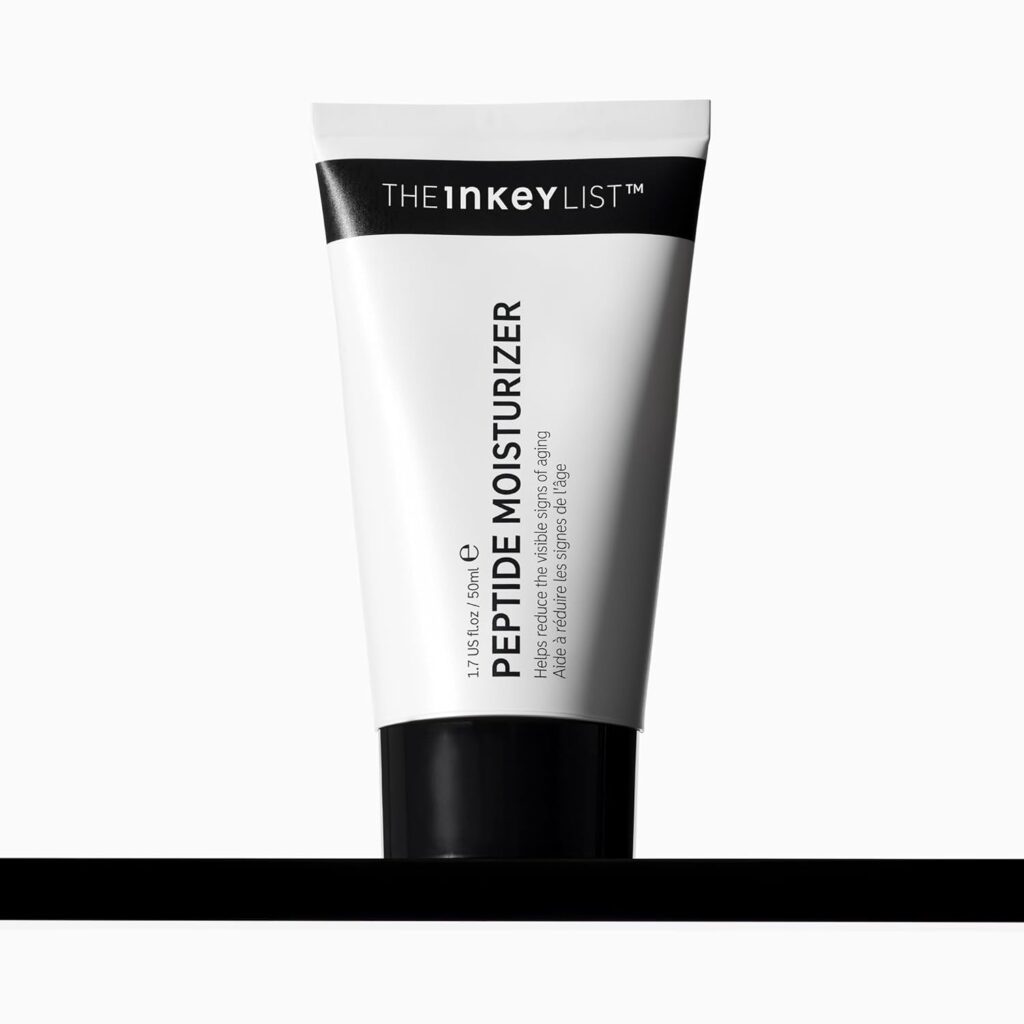
This moisturizer contains fewer peptides than Protini, making it a simpler formulation.
The texture is described as a lightweight lotion that absorbs quickly and works well for those with dry or compromised skin barriers. However, the peptide concentrations are lower, which may result in less pronounced “plumping” effects compared to Protini’s nine-peptide signal complex.
If you’re looking for a more affordable peptide moisturizer and don’t need the full nine-peptide blend, then this budget-friendly peptide option may be worth checking out.
Skinfix Barrier+ Triple Lipid-Peptide Cream

Tretinoin users often switch to Skinfix in winter when Protini isn’t moisturizing enough on its own.
Skinfix provides deeper barrier repair with a richer texture, but it can feel oily or “sweaty” on combination skin.
Protini wins for daytime and warmer weather use, while Skinfix works better as a heavy-duty night cream during peak dryness.
FAQs About Drunk Elephant Protini Polypeptide Cream
Does Protini clog pores or cause breakouts?
Many users with acne-prone skin tolerate Protini well, but a subset reports closed comedones or cystic breakouts after 2-3 weeks of use. Individual sensitivity varies—patch testing on your jawline for 5-7 days can help you spot issues before applying it to your full face.
Can you use Protini with tretinoin?
Yes, many tretinoin users apply Protini as a buffer to reduce irritation and dryness. You can use the sandwich method (apply Protini before and after tretinoin) or apply it after your retinoid has fully absorbed. The lightweight texture soothes peeling skin without feeling heavy.
Does Protini pill under sunscreen?
Pilling can happen if you layer it with silicone-heavy sunscreens or apply SPF before Protini has fully absorbed. Wait 2-3 minutes after applying Protini before layering sunscreen, and press your SPF into skin rather than rubbing it on.
How long does it take to see results from Protini?
You’ll notice immediate hydration and plumping, but peptide-driven changes in firmness and texture take 8-12 weeks of consistent use. Signal peptides work gradually by triggering cellular responses, not through overnight surface transformation.
Is Protini moisturizing enough for dry skin?
If you have normal to combination skin, Protini often works as a standalone moisturizer. For very dry skin, harsh winter conditions, or compromised barriers, you may need a richer occlusive layer on top or a different base moisturizer altogether.
What makes Protini different from other peptide moisturizers?
The combination of nine signal peptides, growth factors (EGF, IGF-1, FGF1, FGF2), and the specific gel-cream texture sets it apart. Most peptide moisturizers use 1-3 peptides, while Protini’s multifaceted blend works synergistically to support collagen production, barrier repair, and cell renewal simultaneously.
