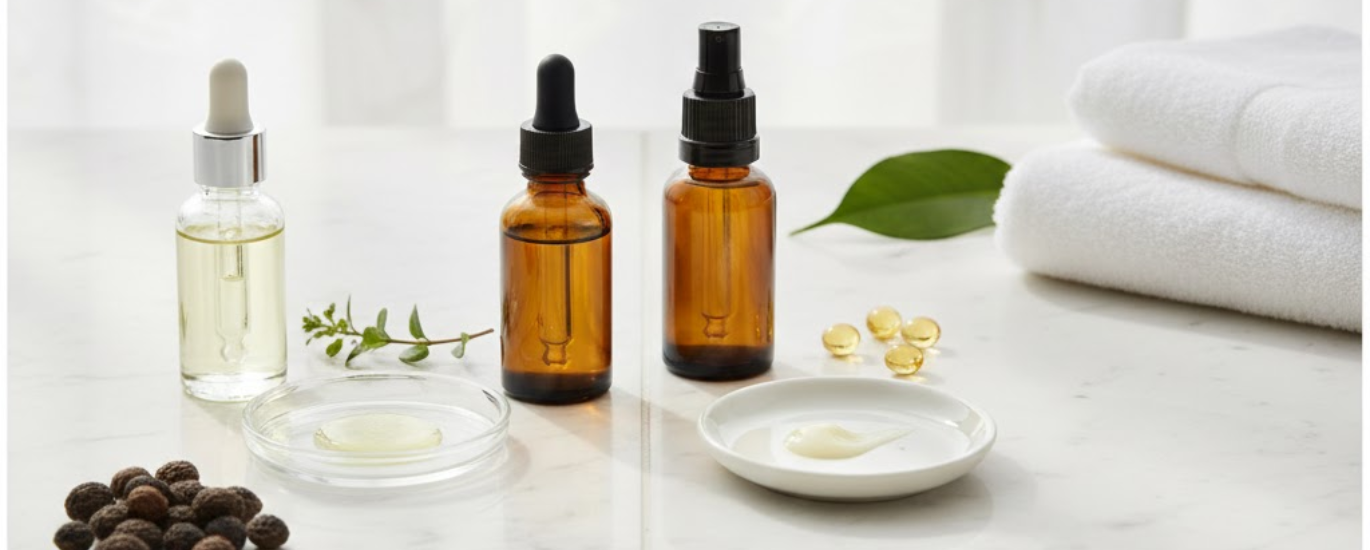
Bakuchiol Oil: Natural Retinol Alternative for Anti-Aging Skincare
In the skincare world, it’s rare to find an ingredient that truly disrupts the market. But bakuchiol oil is doing just that.
This plant-based compound is making waves, challenging retinol’s long-standing reign as the go-to anti-aging ingredient.
I’ve been in the skincare game for years, and I’ve seen trends come and go. But bakuchiol?
It’s got staying power.
Bakuchiol is derived from the seeds and leaves of the Psoralea corylifolia plant, also known as babchi. This powerful ingredient has been used in traditional Ayurvedic and Chinese medicine for centuries, but it’s only recently caught the attention of Western skincare enthusiasts.
And let me tell you, it’s been a game-changer.
The big deal about bakuchiol is its ability to mimic the effects of retinol without the harsh side effects. If you’ve ever used retinol, you know the drill – redness, peeling, and that dreaded “retinization” period where your skin looks worse before it gets better.
Bakuchiol, on the other hand, gets the job done without the drama.
But let’s take a closer look at how bakuchiol stacks up against retinol.
RELATED: Best Korean Retinol Serums
Bakuchiol vs Retinol: Clinical Evidence and Efficacy
Retinol has long been considered the gold standard in anti-aging skincare. This vitamin A derivative increases cell turnover, stimulates collagen production, and improves skin texture, resulting in fewer fine lines, reduced wrinkles, and a more youthful complexion.
Bakuchiol’s Unique Mechanism of Action
Bakuchiol isn’t chemically related to retinoids at all, yet produces similar effects through different pathways.
A 2014 study published in the International Journal of Cosmetic Science found that bakuchiol can regulate collagen and elastin production in skin cells, much like retinol does [1].
A randomized, double-blind clinical trial in the British Journal of Dermatology compared 0.5% bakuchiol (twice daily) with 0.5% retinol (once daily) for 12 weeks. Both significantly improved wrinkle surface area and hyperpigmentation, with no statistical difference between groups, while the retinol group reported more skin scaling and stinging.[2].
This is great news for those of us with sensitive skin who cannot tolerate traditional retinoids!
How to Use Bakuchiol in Your Skincare Routine
Daily Application Guidelines
Now that we’ve covered the science, let’s talk about how to actually incorporate bakuchiol into your skincare routine. Unlike retinol, which is typically recommended for nighttime use because of its photosensitizing effects, bakuchiol is photostable.
This means you can use it during the day without worrying about increased sun sensitivity.
Here’s a simple routine to get you started:

- Cleanse your face as usual.
- Apply a bakuchiol serum or oil to your face and neck.
- Follow up with your regular moisturizer.
- Don’t forget sunscreen during the day (even though bakuchiol doesn’t increase sun sensitivity, sun protection is always important).
You can use bakuchiol once or twice daily, depending on your skin’s needs and tolerance. Start with once a day and see how your skin responds before increasing frequency.
Combining Bakuchiol with Other Active Ingredients
- With Vitamin C: Layer bakuchiol with vitamin C serums for enhanced antioxidant protection against free radicals
- With Hyaluronic Acid: Combine with hyaluronic acid for anti-aging benefits plus optimal hydration
- With Niacinamide: Pair with niacinamide (vitamin B3) to address multiple signs of aging simultaneously
- With AHAs: Introduce slowly when combining with alpha hydroxy acids, monitoring for any sensitivity
When incorporating any new active ingredient, introduce products gradually to assess tolerance, especially when building multi-active routines.
Bakuchiol Benefits for Different Skin Types and Concerns

Sensitive Skin: Gentle Anti-Aging Solution
Bakuchiol is a breakthrough for those who find retinol too irritating. Begin with low concentrations and gradually increase as tolerated. The absence of retinization period makes bakuchiol particularly useful for reactive skin types.
Oily and Acne-Prone Skin: Sebum Regulation
Research indicates bakuchiol helps regulate sebum production and may possess antibacterial properties beneficial for acne management. Select oil-free formulations to avoid clogging pores.
Dry Skin: Hydrating Anti-Aging Formulations
Bakuchiol is commonly formulated in nourishing oils and creams that provide hydration alongside anti-aging benefits. Look for products combining bakuchiol with ceramides, fatty acids, or plant oils for optimal moisture retention.
Mature Skin: Addressing Deep Wrinkles
For softening signs of aging, bakuchiol offers a gentler alternative to high-strength retinoids. Consistent use over time yields progressive improvements without the irritation that can compromise mature, thinning skin.
Pregnancy-Safe Anti-Aging
While retinoids are contraindicated during pregnancy and breastfeeding, bakuchiol is generally considered safe. However, always consult your healthcare provider before starting any new skincare regimen during pregnancy or while nursing.
Bakuchiol for Hyperpigmentation and Skin Tone
Clinical studies demonstrate bakuchiol’s efficacy in evening out skin tone and reducing dark spots.
For individuals with darker skin tones, bakuchiol offers particular advantages. Unlike some anti-aging treatments that can trigger hyperpigmentation in melanin-rich skin, bakuchiol improves pigmentation concerns without increasing risk of post-inflammatory hyperpigmentation—a common issue with more irritating actives.
Advanced Bakuchiol Applications
Professional Treatments and Clinical Use
Bakuchiol is increasingly incorporated into professional skincare services:
- Clinical facials featuring concentrated bakuchiol formulations for intensive results
- Gentle chemical peels incorporating bakuchiol as an alternative to retinol-based peels
- Post-procedure care following laser treatments, microneedling, or other intensive procedures where traditional retinoids would be too harsh
- Customized serums blended by skincare professionals to address individual concerns
Combination Products and Synergistic Formulations
Some advanced formulations combine bakuchiol with complementary ingredients:
- Bakuchiol + peptides for comprehensive collagen support
- Bakuchiol + melatonin + vitamin C derivatives for enhanced antioxidant protection
- Bakuchiol + gentle retinol derivatives for those seeking maximum anti-aging efficacy with improved tolerance
Body Application: Beyond Facial Skincare
Bakuchiol’s benefits extend beyond facial skincare. Apply to the neck, décolletage, and hands—areas that commonly show premature aging yet are often neglected in anti-aging routines. Body lotions and oils containing bakuchiol can address aging concerns on larger surface areas.
Potential Challenges and Safety Considerations
Allergic Reactions and Patch Testing
While bakuchiol is generally well-tolerated, allergic reactions remain possible with any skincare ingredient. Always perform a patch test on your inner forearm before applying bakuchiol to your face. Wait 24-48 hours to check for any adverse reactions.
Product Quality and Concentration
Bakuchiol efficacy depends on proper concentration and formulation stability. Look for products clearly stating bakuchiol concentration (typically 0.5-2%) and stored in opaque, airtight packaging to maintain ingredient integrity.
Realistic Timeline for Results
Like most anti-aging ingredients, bakuchiol requires consistent use over time. Clinical studies typically evaluate results at 12 weeks. Expect to use bakuchiol regularly for at least three months before assessing its full effectiveness on your skin.
Bakuchiol vs. Other Natural Anti-Aging Ingredients
Comparing Plant-Based Alternatives
- Rosehip Oil: Rich in vitamin C and essential fatty acids with brightening and hydrating properties, but lacks bakuchiol’s direct collagen-boosting effects.
- Green Tea Extract: Powerful antioxidant protecting skin from free radical damage, but doesn’t directly stimulate collagen production like bakuchiol.
- Peptides: Amino acid chains that stimulate collagen production but work through different mechanisms than bakuchiol’s retinol-like pathway.
While these ingredients offer legitimate anti-aging benefits, bakuchiol stands out for its unique ability to mimic retinol’s multifaceted approach without associated irritation.
Sustainability and Sourcing Considerations
As a plant-derived ingredient, bakuchiol appears inherently sustainable, but several factors merit consideration:
- Ethical sourcing: The Psoralea corylifolia plant’s native habitat and harvesting practices require oversight as demand increases
- Extraction methods: Production processes should minimize environmental impact
- Certifications: Look for brands with verified sustainability certifications
- Packaging: Choose products using recyclable or biodegradable packaging materials
Responsible brands transparently communicate their sourcing practices and environmental commitments.
Bakuchiol Product Selection: Value vs. Cost
Bakuchiol products span a wide price range. Consider these factors when evaluating cost-effectiveness:
- Concentration: Products should clearly state bakuchiol percentage (effective concentrations typically range from 0.5-2%)
- Formulation Quality: A well-formulated product with moderate bakuchiol concentration may outperform a poorly formulated high-concentration product
- Supporting Ingredients: Evaluate the complete ingredient list—complementary actives enhance overall efficacy
- Brand Reputation: Established brands with transparent practices and third-party testing provide greater reliability
- Cost Per Use: Calculate the actual cost per application based on product size and recommended usage
The most expensive option isn’t necessarily the most effective. Focus on finding a product that delivers results for your skin within your budget.
Bakuchiol and Skin Health Beyond Anti-Aging
While bakuchiol is primarily known for its anti-aging benefits, research suggests it may have other positive effects on skin health:
- Acne management: Some studies show that bakuchiol may help regulate sebum production and have antibacterial properties, making it potentially useful for acne-prone skin.
- Hyperpigmentation: Bakuchiol has been shown to help even out skin tone and reduce the appearance of dark spots.
- Skin barrier function: There’s some evidence to suggest that bakuchiol may help strengthen the skin’s natural barrier, improving overall skin health and resilience, however more research is needed.
- Antioxidant protection: Like many plant-derived compounds, bakuchiol has antioxidant properties that can help protect the skin from environmental stressors.
Holistic Approach: Maximizing Bakuchiol Results
While bakuchiol is a powerful ingredient on its own, it’s most effective when part of a comprehensive skincare routine and overall healthy lifestyle. Here are some tips for maximizing the benefits of bakuchiol:
- Balanced diet: A diet rich in antioxidants, healthy fats, and vitamins can support skin health from the inside out, enhancing the effects of topical treatments like bakuchiol.
- Hydration: Keeping your skin well-hydrated can help improve its overall function and appearance. Look for hydrating ingredients to pair with your bakuchiol products.
- Sun protection: While bakuchiol doesn’t increase sun sensitivity, protecting your skin from UV damage is crucial for maintaining its health and preventing premature aging.
- Stress management: Chronic stress can take a toll on your skin. Incorporating stress-reduction techniques like meditation or yoga can complement your skincare efforts.
- Sleep: Adequate sleep is crucial for skin repair and regeneration. Aim for 7-9 hours of quality sleep each night to support your skin’s natural renewal processes.
Bakuchiol for Different Age Groups
While bakuchiol is often marketed as an anti-aging ingredient, it can be useful for various age groups:
- 20s and 30s: In these decades, bakuchiol can be an excellent preventative measure. It can help maintain collagen levels and prevent early signs of aging.
- 40s and 50s: This is when many people start to see more noticeable signs of aging. Bakuchiol can help address fine lines, wrinkles, and uneven skin tone.
- 60s and beyond: For mature skin, bakuchiol can help improve skin firmness and reduce the appearance of deeper wrinkles.
- Teens: While not typically marketed to this age group, bakuchiol’s gentle nature and potential acne-fighting properties may make it suitable for some teenagers, especially those with sensitive skin who can’t tolerate harsher acne treatments, however there are less studies into bakuchiol’s efficacy for this age group.
It’s never too early or too late to start taking care of your skin. The key is to use products suitable for your skin’s current needs.
People Also Asked
What is bakuchiol oil good for?
Bakuchiol oil is primarily known for its anti-aging benefits. It helps reduce the appearance of fine lines and wrinkles, improves skin elasticity, and can even out skin tone.
It’s also useful for acne-prone skin because of its ability to regulate sebum production.
Can I use bakuchiol every day?
Yes, bakuchiol can be used daily. Unlike retinol, it doesn’t increase skin sensitivity to sunlight, so it can be used both morning and night.
However, as with any new skincare product, it’s best to start slowly and increase frequency as your skin adjusts.
Is bakuchiol better than retinol?
Bakuchiol isn’t necessarily better than retinol, but it can be a great choice, especially for people who have sensitive skin. It offers similar benefits to retinol with less potential for irritation. The choice between bakuchiol and retinol depends on person skin needs and tolerances.
Does bakuchiol really work?
Scientific studies have shown that bakuchiol does work in improving signs of skin aging. A 2019 study published in the British Journal of Dermatology found that bakuchiol was comparable to retinol in its ability to improve photoaging in facial skin, with fewer side effects.
How long does it take for bakuchiol to work?
Most studies on bakuchiol have shown results after 12 weeks of consistent use. However, some people may start to see improvements in their skin texture and tone within a few weeks.
As with most skincare ingredients, consistent, long-term use is key for optimal results.
Can bakuchiol be used with vitamin C?
Yes, bakuchiol can be used with vitamin C. In fact, these ingredients can complement each other well.
Vitamin C is an antioxidant that can help protect the skin from free radical damage, while bakuchiol works on improving skin texture and reducing signs of aging.
Is bakuchiol good for acne?
Bakuchiol has shown promise in managing acne. It has antibacterial properties and can help regulate sebum production, which can be useful for acne-prone skin. Some studies have also suggested that it may help reduce acne lesions and improve overall skin appearance in people with acne.
Can bakuchiol be used under eyes?
Bakuchiol can be used under the eyes, and many eye creams now incorporate this ingredient. It can help improve the appearance of fine lines and wrinkles in the delicate eye area.
However, as with any product used near the eyes, care should be taken to avoid getting it directly in the eyes.
Does bakuchiol help with hyperpigmentation?
Yes, bakuchiol has been shown to help with hyperpigmentation. Studies have found that it can help even out skin tone and reduce the appearance of dark spots.
This makes it a valuable ingredient for addressing both signs of aging and uneven skin pigmentation.
Can bakuchiol be used with other active ingredients?
Bakuchiol is generally well-tolerated and can be used with many other active ingredients. It pairs well with antioxidants like vitamin C, and can also be used alongside hyaluronic acid for hydration.
However, as with any skincare routine involving many active ingredients, it’s best to introduce new products gradually and watch for any signs of irritation.
Key Takeaways
- Bakuchiol is a natural, plant-based choice to retinol that offers similar anti-aging benefits with less irritation.
- It’s suitable for all skin types, including sensitive skin, and can be used during pregnancy (with doctor’s approval).
- Bakuchiol is photostable, making it suitable for day and night use.
- Consistency is key – use bakuchiol regularly for at least 12 weeks to see optimal results.
- While bakuchiol is promising, more long-term studies are needed to fully understand its effects and potential.
References
- Chaudhuri RK, Bojanowski K. Bakuchiol: a retinol-like functional compound revealed by gene expression profiling and clinically proven to have anti-aging effects. Int J Cosmet Sci. 2014 Jun;36(3):221-30. doi: 10.1111/ics.12117
- Dhaliwal S, Rybak I, Ellis SR, Notay M, Trivedi M, Burney W, Vaughn AR, Nguyen M, Reiter P, Bosanac S, Yan H, Foolad N, Sivamani RK. Prospective, randomized, double-blind assessment of topical bakuchiol and retinol for facial photoageing. Br J Dermatol. 2019 Feb;180(2):289-96. doi: 10.1111/bjd.16918
