6 Best Korean Retinol Serums for Radiant Skin
Retinol has earned its place as a cornerstone ingredient in skincare routines worldwide. This vitamin A derivative works wonders for the skin by accelerating cell turnover, boosting collagen production, and improving overall skin texture.
Its versatility in addressing various skin concerns, from fine lines to acne and hyperpigmentation, makes it a go-to for many skincare enthusiasts.
Korean skincare brands have embraced retinol with open arms, infusing it into innovative formulations that mix efficacy with gentleness. This approach allows even those with sensitive skin to experience the benefits of retinol without the harsh side effects often associated with traditional retinol products.
We’ve pulled together a shortlist of Korean retinol options worth considering, with formulas
With so many excellent options available, we’ve pulled together a shortlist of Korean retinol options worth considering, with formulas that keep that signature K-beauty gentleness. Here are our top picks:
Disclosure: As an Amazon Associate I earn from qualitying purchases at no extra cost to you.
Best Korean Retinol Serums of 2026: Quick Summary
| Product | Key actives / strength | Highlights | Best for |
|---|---|---|---|
| COSRX The Retinol 0.1 Cream | 0.1% retinol, adenosine, panthenol | Starter strength with soothing support to reduce dryness and flaking. | Beginners, sensitive or reactive skin |
| Missha Time Revolution Retinol Ampoule | Retinol, 10 potent probioics including Bifida ferment lysate | Retinol + probiotics to support barrier health while brightening and firming. | Barrier support, dull or uneven tone |
| IOPE Retinol Super Bounce Serum | Multi-retinoid complex, 5× HA, collagen, BX peptide | Hydrating multi-retinoid blend; quick improvements in elasticity and bounce. | Early lines, dehydration, loss of firmness |
| SOME BY MI Retinol Intense Reactivating Serum | 0.1% retinol, 5000 ppm bakuchiol, 1 ppm retinal, panthenol, ceramides | Retinol + bakuchiol for extra gentleness; barrier-friendly support during ramp-up. | Sensitive skin, gradual retinol introduction |
| Medicube Deep Reviving Bakuchiol Retinol Serum | 1% Granactive Retinoid, retinal, encapsulated retinol, niacinamide | Triple-retinoid with liposome delivery for smoother texture and clarity with low irritation. | Daily use across skin types, texture and clarity |
1. Best for Beginners – COSRX The Retinol 0.1 Cream

COSRX has built a loyal following in the K-beauty community, and their Retinol 0.1 Cream shows you exactly why. With a gentle 0.1 percent retinol concentration, this cream is perfect if you’re just starting out with retinol or have skin that tends to react easily.
The formula combines retinol with adenosine and panthenol, two soothing ingredients that help calm your skin and reduce the chance of irritation. You’ll appreciate the lightweight texture—it sinks in quickly and leaves your skin feeling soft and hydrated, never greasy or heavy.
When I first tried this cream, I started using it just twice a week, then slowly increased how often I applied it. This gradual approach helps your skin adjust without any drama. The gentle formula means you can skip the “retinol uglies”—that uncomfortable phase of dryness and flaking that sometimes happens when you start using stronger retinol products.
2. Best for Skin Barrier – Missha Time Revolution Retinol Ampoule

Missha takes retinol to new heights with their Time Revolution Retinol Ampoule. This serum combines retinol with probiotics to address signs of aging while strengthening your skin’s microbiome.
The star of this formula is Missha’s patented Bifida Ferment Lysate, which works alongside retinol to improve skin elasticity and firmness. The addition of niacinamide helps to brighten the complexion and even out skin tone.
What impresses me most about this serum is its ability to deliver powerful results without compromising on gentleness. It’s an excellent option for those looking to incorporate retinol into their routine while also focusing on skin barrier health.
The probiotic element adds an extra layer of benefit, helping to balance the skin’s microbiome. This can be particularly useful for those prone to sensitivity or irritation, as a healthy microbiome can help strengthen the skin’s natural defenses.
3. Best for Early Fine Lines – IOPE Retinol Super Bounce Serum

IOPE has been researching retinol since 1997, and their Super Bounce Serum reflects decades of expertise. The formula features a “Retinol & Retinoid Quadruple Complex”—pure retinol combined with Bio Seletinoid, Granactive Retinoid, and encapsulated retinol for enhanced effectiveness with less irritation.
Five types of hyaluronic acid and biomimetic synthetic collagen keep skin hydrated and support the moisture barrier, while BX Peptide improves elasticity.
I particularly love how the lightweight texture absorbs easily without any heaviness, making it comfortable to layer with other products.
Apply a small amount to targeted areas like the eye area, smile lines, and neck. Start with every-other-day use for the first two weeks, then increase frequency as tolerated. IOPE recommends nighttime application for best results.
4. Best for Sensitive Skin – SOME BY MI Retinol Intense Reactivating Serum
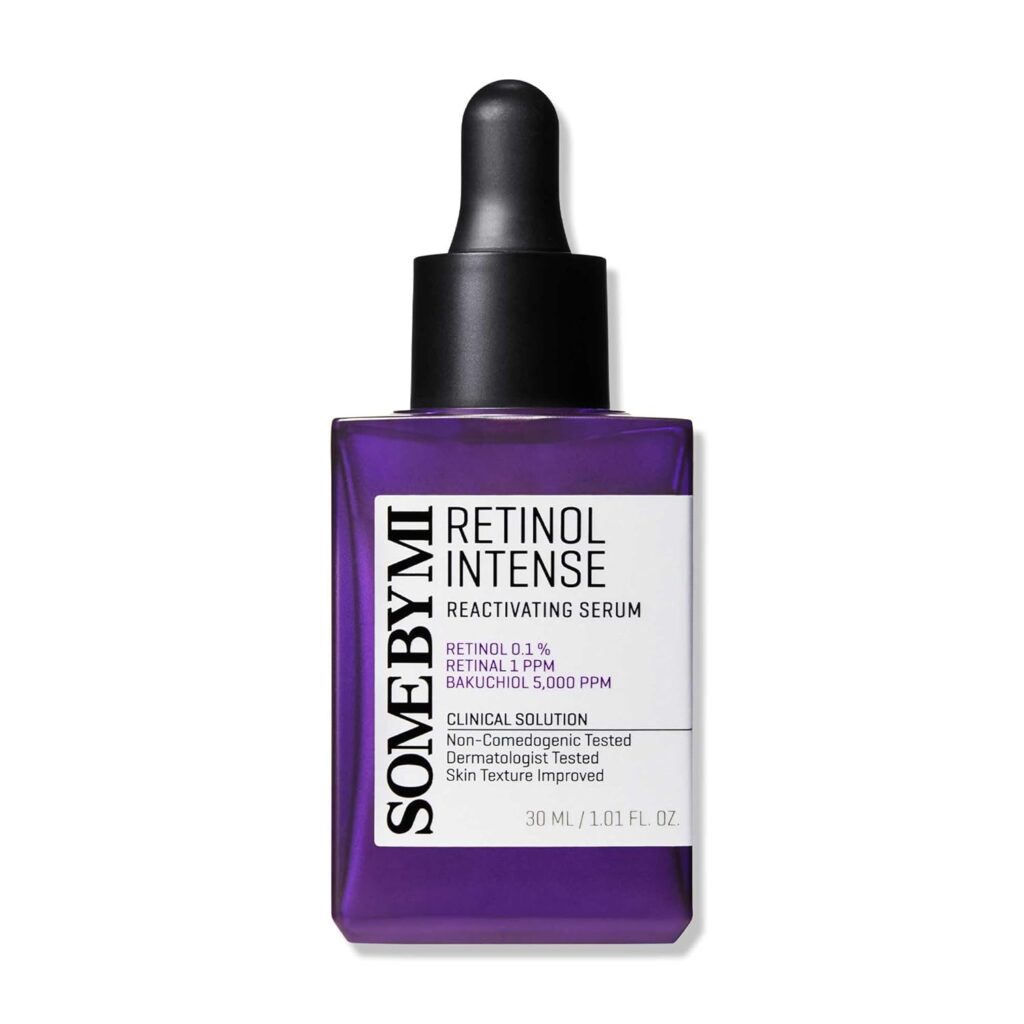
SOME BY MI combines 0.1 percent retinol with 5,000ppm bakuchiol and 1ppm retinal in this serum. Bakuchiol offers retinol-like benefits without typical irritation, making the formula suitable for sensitive skin types.
The supporting cast includes panthenol, beta-glucan, ceramides, and Truecica—a blend of tea tree and centella asiatica that helps repair and strengthen the skin barrier. This combination addresses aging concerns while actively supporting skin health.
I’ve found this serum particularly effective for people nervous about starting retinol. The creamy texture feels hydrating and absorbs quickly without stickiness. Some users experience mild purging in the first few weeks as cell turnover increases, but this is temporary and indicates the product is working.
Start with one to two drops for each half of your face, applied every two to three days. After three weeks, increase to a full dropper daily. This gradual approach lets your skin build tolerance while delivering improvements in texture, fine lines, and overall tone.
5. Best for Daily Use – Medicube Deep Reviving Bakuchiol Retinol Facial Serum
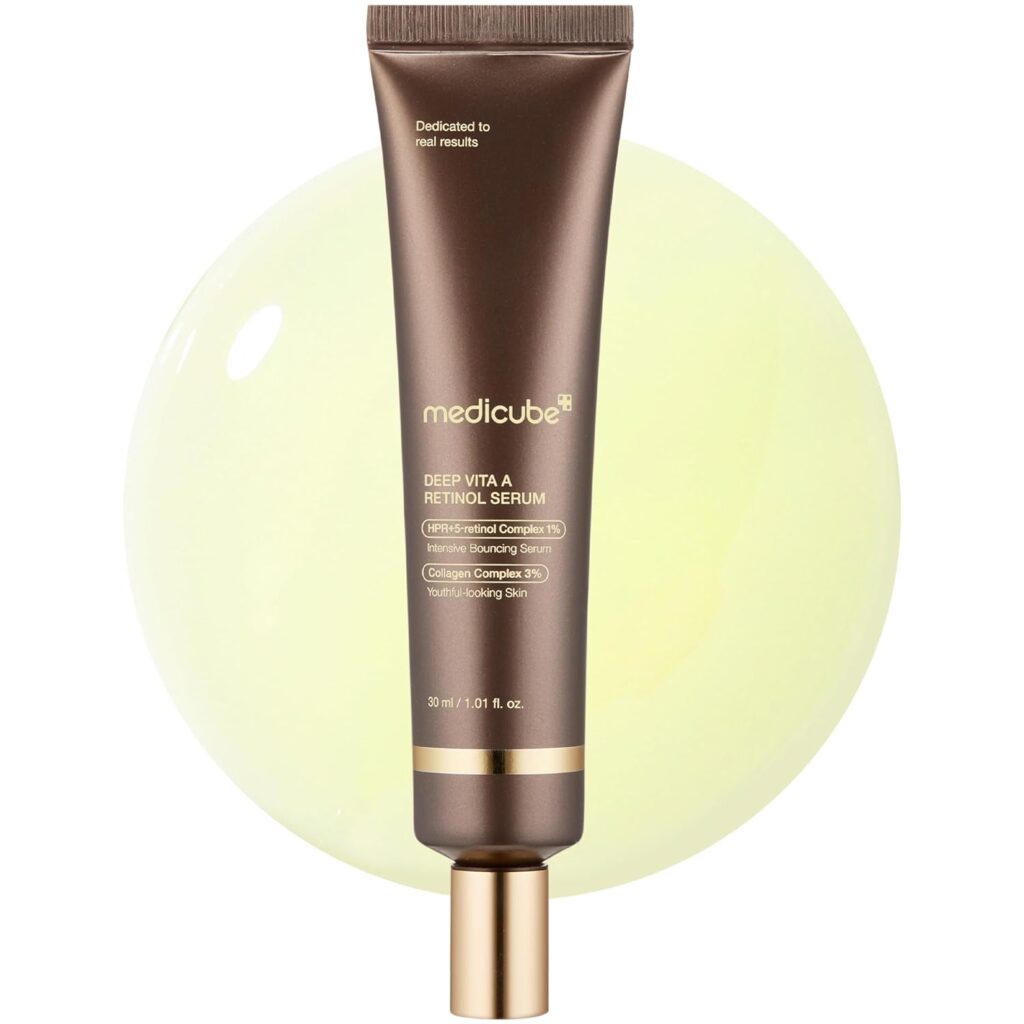
Medicube’s retinol serum uses fourth-generation retinol technology—1 percent Granactive Retinoid, fast-acting retinal, and encapsulated retinol—paired with bakuchiol for a balanced approach to anti-aging.
The liposome delivery system helps retinol absorb deeply with minimal irritation. Niacinamide evens skin tone while hydrolyzed collagen supports firmness. At a pH of 6.3, the formula is dermatologist-tested, non-comedogenic, and gentle enough for all skin types.
The silky texture glides on smoothly and absorbs fast. I’ve noticed users report softer, more luminous skin after just one application, with continued improvements in clarity and reduced fine lines over time. The subtle scent is fresh without being overpowering.
Apply after cleansing and toning, before moisturizer. Begin with every-other-day use and increase as your skin adjusts. This low-irritant formula minimizes redness and flaking while still delivering the benefits you expect from retinol.
How to Use Korean Retinol Serums (Step-by-Step)
When adding a retinol serum to your skincare regimen, it’s crucial to start slow and listen to your skin. Here are some tips to help you get the most out of your Korean retinol serum:
- Begin by using your retinol product once or twice a week, gradually increasing frequency as your skin adjusts.
- Always apply retinol to clean, dry skin in the evening. Follow with a moisturizer to minimize dryness.
- Don’t forget to use sunscreen during the day, as retinol can increase skin sensitivity to UV rays.
- If you experience irritation, try the “sandwich” method: apply a lightweight moisturizer before and after your retinol serum.
- Be patient, it can take several weeks to see noticeable results from retinol use.
Why Korean Retinol Serums Are Different
Korean retinol serums stand out because of their holistic approach to skincare. Rather than focusing solely on the active ingredient, Korean brands often mix retinol with soothing and nourishing ingredients.
This approach allows for effective results while minimizing the risk of irritation.
Korean skincare emphasizes the importance of a healthy skin barrier. Many of the retinol serums we’ve discussed include ingredients that support barrier function, ensuring that your skin stays balanced and protected while reaping the benefits of retinol.
This focus on barrier health is particularly important when using active ingredients like retinol. A compromised skin barrier can lead to increased sensitivity, redness, and irritation.
By supporting the barrier while introducing retinol, Korean brands help users can enjoy the benefits of this powerful ingredient without compromising their skin’s overall health.
How to Choose the Right Korean Retinol for Your Skin
When selecting a Korean retinol serum, consider your skin type, concerns, and retinol experience. If you’re new to retinol, start with a gentler formula like the COSRX or Missha options.
For those with more resilient skin or experienced retinol users, a higher concentration may be a better fit.
The best retinol serum is one that you’ll use consistently. Choose a product that aligns with your skincare goals and feels enjoyable to apply.
Here are some factors to consider:
- Concentration: Lower concentrations (0.01% to 0.03%) are ideal for beginners, while higher concentrations (0.1% and above) are suitable for experienced users.
- Formulation: Consider whether you prefer a cream, serum, or ampoule texture. This can affect how the product feels on your skin and how well it layers with other skincare products.
- Additional ingredients: Look for formulations that include soothing and hydrating ingredients to offset potential irritation from retinol.
- Skin concerns: Some retinol products are formulated to target specific issues like acne or hyperpigmentation. Choose one that addresses your primary skin concerns.
- Packaging: Retinol is sensitive to light and air. Opt for products in opaque, airless pumps or tubes to confirm the ingredient stays stable and effective.
How Does Retinol Work on Skin? The Science Behind Retinol’s Effectiveness
Understanding how retinol works can help you appreciate its benefits and use it more effectively. Retinol, when applied to the skin, converts to retinoic acid.
This conversion process is what allows retinol to be gentler than prescription retinoids while still providing significant benefits.
Retinoic acid works on a cellular level, binding to specific receptors in the skin. This interaction triggers a cascade of processes that lead to increased cell turnover, enhanced collagen production, and improved skin texture.
The accelerated cell turnover helps to shed dead skin cells more quickly, revealing fresher, brighter skin underneath. This process can help unclog pores, reducing acne breakouts and improving overall skin clarity.
Increased collagen production is key to retinol’s anti-aging benefits. As we age, our natural collagen production slows down, leading to the formation of fine lines and wrinkles.
By stimulating collagen synthesis, retinol helps to plump the skin, reducing the appearance of these signs of aging.
Retinol Side Effects and How to Manage Them
While Korean retinol serums are generally formulated to be gentler than traditional retinol products, some users may still experience side effects, especially when first starting out. Common side effects can include:
- Dryness and flaking
- Redness or irritation
- Increased sensitivity to sunlight
- Temporary worsening of acne (known as “purging”)
To manage these potential side effects:
- Start with a low concentration and gradually increase usage.
- Use a gentle, non-foaming cleanser to avoid further irritation.
- Apply a hydrating moisturizer after your retinol serum.
- Always use sunscreen during the day to protect your skin.
- If irritation continues, reduce frequency of use or ask a dermatologist.
It’s normal to experience some mild irritation when first using retinol. However, if you experience severe redness, burning, or persistent discomfort, stop use and ask a skincare professional.
Gentler Alternatives to Retinol in K-Beauty
While retinol is incredibly effective, it’s not suitable for everyone. Korean skincare brands have developed several choices that offer similar benefits with potentially less irritation:
- Bakuchiol: This plant-based ingredient offers retinol-like benefits without the associated irritation.
- Carrot seed oil: Rich in vitamin A, this natural oil provides gentle retinol-like effects.
- Ginseng: Known for its anti-aging properties, ginseng can help improve skin elasticity and firmness.
- Snail mucin: While not a direct retinol choice, snail mucin is known for its regenerative properties and can help improve skin texture and tone.
- Fermented ingredients: Many Korean brands use fermented extracts that can help improve skin cell turnover and overall skin health.
These choices can be excellent options for people who have extremely sensitive skin, during pregnancy, or for those who prefer a more natural approach to skincare.
What to Pair with Retinol (and What to Avoid)
Korean skincare often involves layering multiple products, and it’s important to know which ingredients work well with retinol and which should be avoided:
- Hyaluronic Acid: This hydrating ingredient pairs well with retinol, helping to offset any drying effects.
- Niacinamide: Often found in Korean retinol formulations, niacinamide can help strengthen the skin barrier and reduce potential irritation.
- Peptides: These amino acids work well with retinol to boost collagen production and improve skin firmness.
- Vitamin C: While traditionally used separately, some Korean brands are combining stable forms of vitamin C with retinol for enhanced brightening effects.
Ingredients to use cautiously with retinol include:
- AHAs and BHAs: These exfoliating acids can increase skin sensitivity when used with retinol. If you use both, consider alternating nights.
- Benzoyl Peroxide: This acne-fighting ingredient can deactivate retinol, making both less effective.
- Other retinoids: Using multiple retinoid products can lead to over-exfoliation and irritation.
Always introduce new active ingredients slowly and watch how your skin reacts. If you’re unsure about combining certain products, ask with a dermatologist or skincare professional.
Why Packaging Matters for Retinol Potency
The effectiveness of retinol products heavily depends on their packaging. Retinol is a notoriously unstable ingredient, easily degraded by light and air exposure.
Korean brands often lead the way in innovative packaging solutions to preserve the potency of their retinol formulations.
Look for retinol products that come in opaque, airless pump bottles or tubes. These designs minimize air and light exposure, ensuring that the retinol stays stable and effective throughout its use.
Some Korean brands have gone a step further, using special encapsulation technologies to protect the retinol molecule until it’s applied to the skin. This preserves the ingredient’s potency but can also help reduce irritation by controlling the release of retinol into the skin.
Retinol Results Timeline: What to Expect
When using any retinol product, including Korean retinol serums, it’s crucial to remember that results take time. Many users expect to see dramatic changes overnight, but the reality is that it can take several weeks to months to see noticeable improvements.
Consistency is key when using retinol. Regular, long-term use will yield the best results.
Here’s a general timeline of what you might expect:
- Weeks 1-2: You may experience some initial dryness or mild irritation as your skin adjusts.
- Weeks 3-4: Skin may start to look clearer, with some improvement in texture.
- Weeks 5-8: Fine lines may begin to soften, and overall skin tone may appear more even.
- Weeks 12+: More significant improvements in skin texture, tone, and firmness become obvious.
Everyone’s skin is different, and results can vary. Some may see improvements sooner, while others might take longer.
The key is to be patient and consistent with your retinol use.
Retinol and Sunscreen: Daily Protection Tips
One of the most important aspects of using retinol is understanding its relationship with sun exposure. Retinol can make your skin more sensitive to UV rays, increasing the risk of sunburn and damage.
This doesn’t mean you can’t enjoy the outdoors while using retinol. It simply underscores the importance of proper sun protection.
Here are some tips:
- Always use a broad-spectrum sunscreen with at least SPF 30 during the day.
- Reapply sunscreen every 2 hours, or more often if swimming or sweating.
- Wear protective clothing, such as wide-brimmed hats and long-sleeved shirts.
- Seek shade, especially during peak sun hours (usually 10 am to 4 pm).
Many Korean sunscreens are formulated to be lightweight and comfortable for daily wear, making it easier to incorporate this crucial step into your routine.
Final Verdict: Are Korean Retinol Serums Worth It?
Korean retinol serums offer a unique blend of efficacy and gentleness, making them an excellent choice for those looking to incorporate this powerful ingredient into their skincare routine. Whether you’re targeting fine lines, uneven texture, or simply want to maintain a youthful glow, there’s a Korean retinol serum out there for you.
The key to success with any retinol product is consistency and patience. Your skin needs time to adjust and show improvements. Start slow, listen to your skin, and gradually build up your usage as your tolerance increases.
As with any skincare product, results may vary, and it’s essential to be patient and consistent with your use. With the right Korean retinol serum and a dedicated skincare routine, you’re well on your way to achieving that coveted K-beauty radiance.
FAQs: Korean Retinol Serums
What is the difference between retinol and retinoid?
Retinol and retinoid are both vitamin A derivatives, but retinoids are typically stronger and often require a prescription. Retinol is a specific type of retinoid that’s available over-the-counter and is generally gentler on the skin.
Can I use retinol every night?
It depends on your skin’s tolerance and the product’s strength. Start with 1-2 times a week and gradually increase frequency as your skin adjusts.
Some people can eventually use retinol nightly, while others may need to stick to every other night.
Is Korean retinol better than Western retinol?
Korean retinol products often focus on gentler formulations with added soothing ingredients. They’re not necessarily “better,” but may be more suitable for people who have sensitive skin or those new to retinol.
At what age should I start using retinol?
Many dermatologists recommend starting retinol in your mid to late 20s as a preventative measure. However, it can be useful at any age for various skin concerns.
Can I use vitamin C and retinol together?
While traditionally used separately, some newer formulations mix stable forms of vitamin C with retinol. If using separate products, it’s often recommended to use vitamin C in the morning and retinol at night.
How long does it take to see results from retinol?
Most people start to see initial improvements in skin texture and clarity after 4-6 weeks of consistent use. More significant changes in fine lines and wrinkles typically become obvious after 3-6 months.
Is bakuchiol as effective as retinol?
Studies have shown bakuchiol to have similar effects to retinol in improving fine lines, wrinkles, and skin tone. It’s generally considered gentler and may be a good choice for those who can’t tolerate retinol.
Can I use retinol if I have acne-prone skin?
Yes, retinol can be useful for acne-prone skin. It helps unclog pores and regulate cell turnover. However, start with a low concentration and introduce it gradually to avoid potential irritation.
Do I need to use moisturizer with retinol?
Using a moisturizer with retinol can help minimize potential dryness and irritation. Apply your retinol product first, wait a few minutes, then follow with a moisturizer.
Can retinol make wrinkles worse?
Initially, retinol can cause temporary dryness which may make fine lines appear more pronounced. This is typically short-lived, and with continued use, retinol should improve the appearance of wrinkles.
Key Takeaways
- Korean retinol serums often mix retinol with soothing ingredients for gentle yet effective results.
- Start with a low concentration and gradually increase usage to minimize potential irritation.
- Consider your skin type and concerns when choosing a retinol serum.
- Be patient and consistent, it can take several weeks to see noticeable improvements.
- Always use sunscreen during the day when incorporating retinol into your routine.
