
5 Best Korean Copper Peptide Serums: Top Firming Picks for Fine Lines and Barrier Support
Peptides are having a moment in K-beauty, and copper peptide serums sit at the center of it. If you’ve been scrolling through beauty forums or watching dermatologists debate concentration percentages, you already know: these serums promise firmer skin, faster barrier recovery, and that glass-skin glow everyone’s after.
But the market is flooded with options that range from watery toners to rich, blue-hued formulas and not all of them deliver.
Korean copper peptide serums stand out because they blend clinical actives with skin-soothing ingredients like niacinamide, snail mucin, and PDRN.
They’re built for layering, designed to work alongside retinol and vitamin C routines, and formulated with sensitive skin in mind. Whether you’re chasing collagen support or just want something that plays well with your existing routine, the right serum makes all the difference.
Disclosure: As an Amazon Associate I earn from qualifying purchases at no extra cost to you.
How Korean Copper Peptide Serums Work
Korean copper peptide serums use copper tripeptide-1 (GHK-Cu), a small molecule that supports collagen and elastin activity in the skin. These formulas often combine copper peptides with hydrators like hyaluronic acid, barrier boosters like niacinamide, and calming extracts to keep irritation low.
- Toner-serum hybrids absorb fast and prep skin for layering
- Blue-tinted formulas signal higher copper peptide concentration (the color comes from the copper itself)
- Multi-peptide blends target different concerns—some focus on firmness, others on texture or tone
- PDRN and snail mucin additions bring repair and soothing benefits for sensitive or reactive skin
- Lightweight textures make them easy to use daily, morning and night, without pilling or heaviness
Most people use these serums after cleansing and toning, either as a first treatment step or layered with other actives.
Best Korean Copper Peptide Serums in 2026
Best Overall: COSRX The 6 Peptide Skin Booster Serum
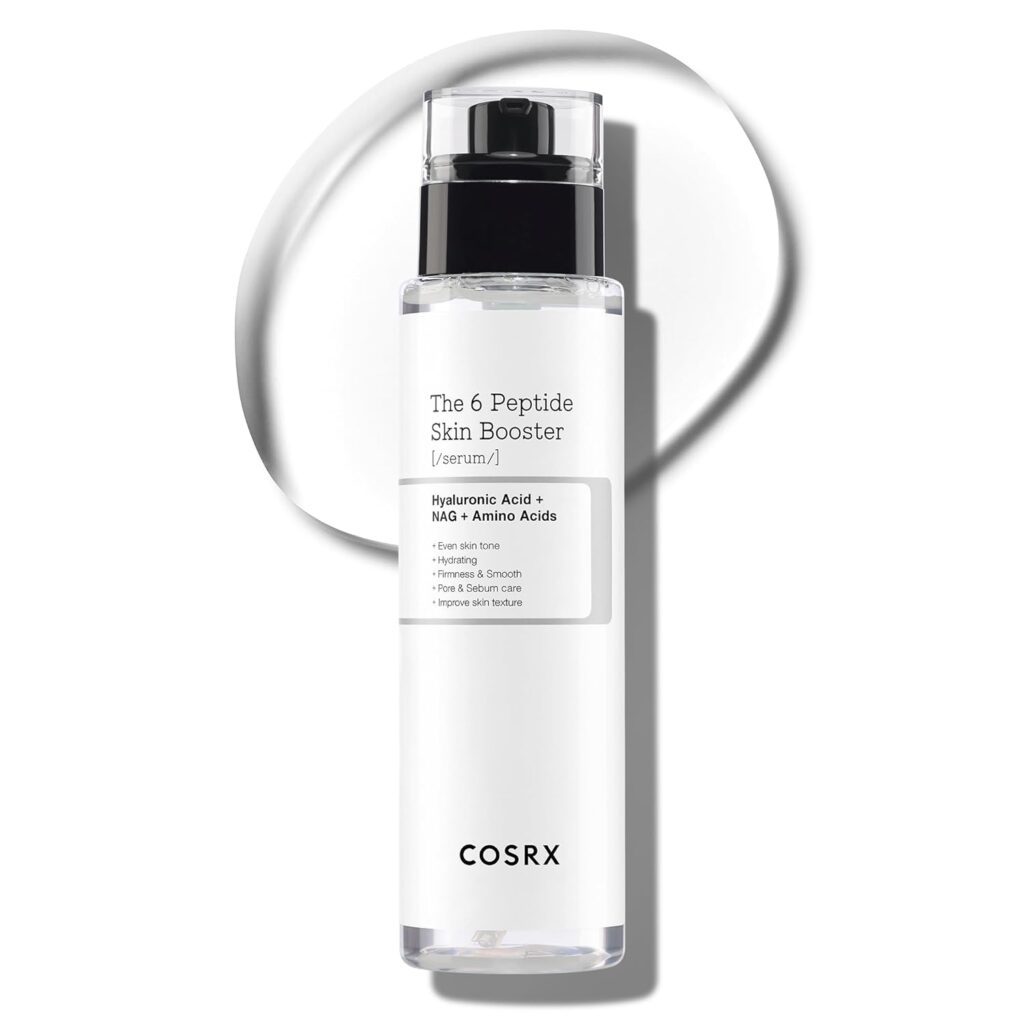
This peptide serum acts like a hydrating toner and treatment in one. It layers under everything including retinol, vitamin C, and heavier serums without pilling or adding weight. The watery texture sinks in fast, making it a go-to for people who want peptides without disrupting their existing routine.
Key Features:
- 6-peptide blend with copper tripeptide-1 for firmness and hydration
- Toner-like texture absorbs instantly for easy layering
- Niacinamide and hyaluronic acid add brightness and moisture retention
- Works as first step after cleansing to prep skin
Best for: People with multi-step routines who want a peptide boost that won’t interfere with other actives. Also great for oily or combination skin that finds traditional serums too heavy.
Good to Know: The formula is very light—if you’re looking for rich, concentrated peptide treatment, you may want to pair this with a thicker serum or use it as a first layer under something stronger.
Best Budget Multi-Peptide Option: Dumie Copper Peptide Serum

Dumie packs GHK-Cu, EGF, and plant stem cells into a formula that costs a fraction of premium options.
The lightweight texture absorbs fast, and the addition of hyaluronic acid and botanical extracts keeps skin hydrated without feeling sticky.
Key Features:
- GHK-Cu copper peptide with EGF for collagen support
- Plant stem cells and hyaluronic acid add moisture and antioxidants
- Witch hazel and grapefruit oil provide gentle toning
- Lightweight serum suitable for daily use on all skin types
Best for: People testing copper peptides for the first time who don’t want to commit to a high-end product. Also works well as a second peptide serum for layering.
Best for Purity: TOSOWOONG Copper Peptide Face Serum

TOSOWOONG prints the concentration right on the bottle: 1,000ppm of 99% purity copper tripeptide-1. That transparency is rare in K-beauty, where many brands stay vague about peptide percentages. The blue color confirms the copper content, and the 12-peptide complex adds layers of support for texture and tone.
Key Features:
- 1,000ppm copper tripeptide-1 at 99% purity for visible results
- 12-peptide formula includes acetyl hexapeptide-8 and palmitoyl pentapeptide-4
- Lightweight blue serum absorbs without residue
- Fragrance-free with naturally derived blue hue from copper
Best for: Users who want to know exactly what they’re getting. Works well for people comparing K-beauty options to Western brands like The Ordinary.
Good to Know: The blue tint can look intense in the bottle but doesn’t stain skin. If you’re new to copper peptides, start with every other night to gauge how your skin responds.
Best for Glass Skin Glow: Peach & Lily Copper Peptide Pro Firming Serum
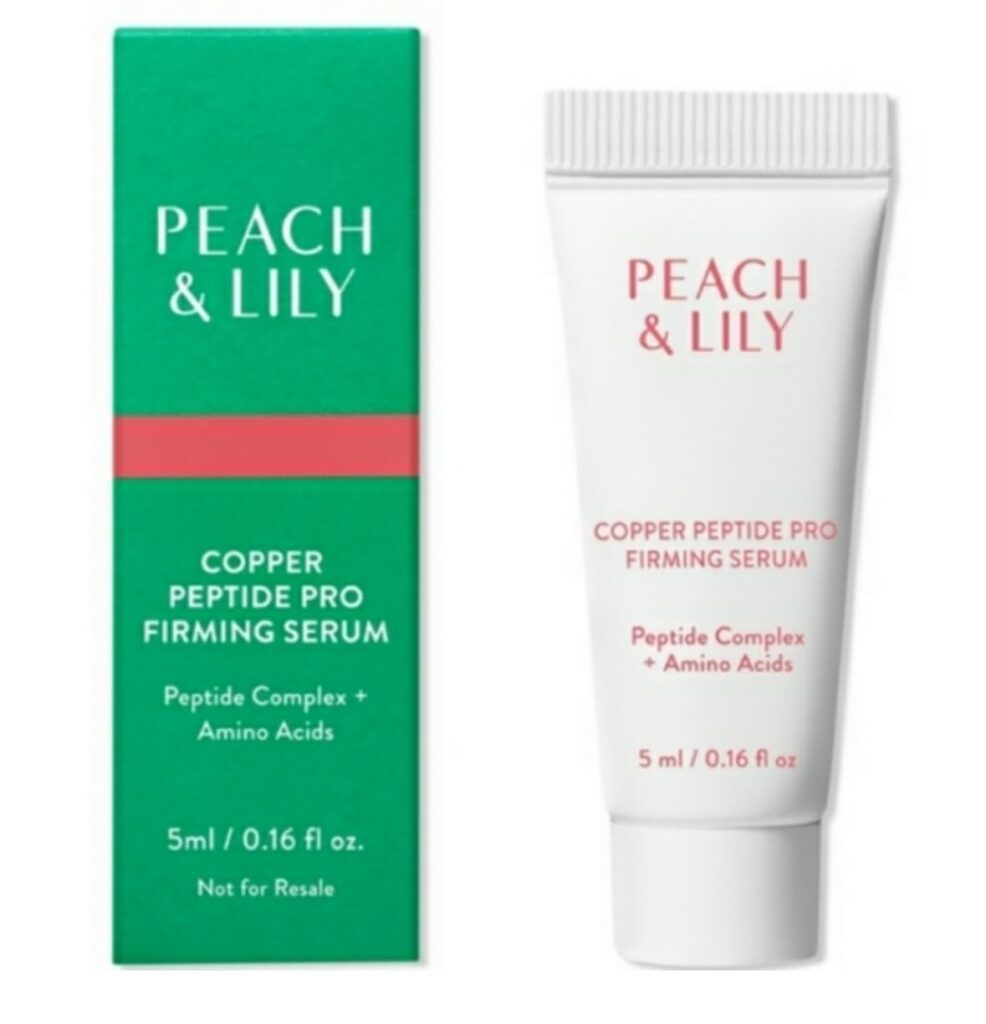
Peach & Lily built this serum around 0.2% copper peptide, 12 additional peptides, and 4 amino acids. This formula is designed to target fine lines, crow’s feet, and sagging. The silky texture feels more luxe than most K-beauty serums, and the addition of squalane and hyaluronic acid keeps skin bouncy and hydrated.
Key Features:
- 0.2% copper peptide with 12 supporting peptides for firming
- Hyaluronic acid and squalane deliver plump, dewy hydration
- Korean herbal root extracts add antioxidant protection
- Blue serum texture applies smoothly under moisturizer or makeup
Best for: People in their 40s and beyond who want a peptide serum that feels professional-grade. Also ideal for dry skin that needs moisture alongside anti-aging actives.
Good to Know: The formula is richer than toner-style serums, so if you have oily skin, use it at night or apply a lighter hand during the day.
Best for Mixed Concerns: Medicube Salmon DNA PDRN Pink Peptide Serum

Medicube combines peptides with salmon DNA PDRN, a regenerative ingredient popular in Korean clinics.
The formula targets uneven tone, elasticity, and moisture retention all at once. The pink color comes from the PDRN concentrate, and the lightweight texture makes it easy to layer with other treatments.
Key Features:
- 5-peptide complex supports firmness and barrier health
- Salmon DNA PDRN adds skin regeneration and healing benefits
- Niacinamide and adenosine brighten and smooth texture
- Lightweight pink serum absorbs quickly for morning or night use
Best for: People juggling multiple skin concerns such as dullness, fine lines, or uneven tone and want one serum to target them all. Also great for post-procedure recovery or acne scar fading.
Good to Know: PDRN can have a faint marine scent that fades quickly after application. If you’re sensitive to smell, let it absorb fully before layering other products.
How to Choose the Best Korean Copper Peptide Serum for Your Skin
Concentration and Transparency
Some Korean brands list exact peptide percentages (like TOSOWOONG’s 1,000ppm or Peach & Lily’s 0.2%), while others keep formulas vague. Higher concentrations aren’t always better, skin needs time to adjust, and overdoing copper peptides can backfire.
If you’re new to peptides, start with a multi-peptide blend or a toner-serum hybrid. If you’re ingredient-savvy and want clinical strength, look for brands that print concentrations on the label.
Blue color is a useful signal. The natural blue hue comes from copper itself, so if a serum is deeply blue, it likely has a meaningful amount of copper peptide. Clear or pink serums may include copper tripeptide-1 lower on the ingredient list.
Texture and Routine Fit
Korean copper peptide serums come in three main textures:
- Toner-serums (COSRX) absorb instantly and prep skin for layering. Great for oily or combination skin.
- Silky serums (Peach & Lily, TOSOWOONG) feel richer and work well under moisturizer. Ideal for dry or mature skin.
- Gel-serum hybrids sit in the middle—hydrating but not heavy. Best for sensitive or reactive skin.
Think about where this serum slots into your routine. If you use retinol at night, you’ll want a peptide serum that layers smoothly without pilling. If you’re rotating vitamin C in the morning, pick a formula that absorbs fast and doesn’t interfere with sunscreen.
Complementary Actives
Copper peptides work well with hydrators (hyaluronic acid, glycerin), barrier boosters (niacinamide, ceramides), and soothing agents (snail mucin, centella). Some serums add PDRN for regeneration or amino acids to amplify peptide benefits.
Avoid using copper peptides with vitamin C at the same time since copper can destabilize ascorbic acid. If you use both, apply vitamin C in the morning and peptides at night, or rotate them on different days.
Tips for Getting the Most from Korean Copper Peptide Serums
Layering and Timing
Apply peptide serums after cleansing and toning, before heavier treatments or moisturizers. If you’re using multiple serums, start with the thinnest texture and work up to the thickest. Wait a few minutes between steps to let each layer absorb.
For routines with retinol or acids, use peptides on alternating nights or apply peptides first, wait 20–30 minutes, then follow with retinol. This spacing prevents interactions and lets each active work without interference.
Frequency and Patience
Peptide serums can be used daily, morning and night. Results tend to be gradual—most people notice plumper, smoother skin within a few weeks, with firming and texture improvements showing up over several months. Consistency matters more than doubling up on application.
If your skin feels tight or looks dull after a few weeks, you may be overusing actives. Scale back to once daily or every other day and let your skin reset.
Pairing with Moisturizers and Sunscreen
Peptides work best when skin stays hydrated and protected. Follow your serum with a moisturizer that locks in hydration – look for ceramides, squalane, or shea butter. In the morning, always finish with SPF 30 or higher to protect the collagen and elastin your peptides are supporting.
The Bottom Line on Korean Copper Peptide Serums
Korean copper peptide serums bring together clinical actives and skin-soothing ingredients in formulas designed for daily use and easy layering. Whether you’re looking for clear concentration labels, a budget-friendly entry to peptides, or a serum that works alongside retinol and vitamin C, the right choice depends on your skin’s current needs and your routine’s complexity.
The COSRX The 6 Peptide Skin Booster Serum strikes a strong balance between results, lightweight texture, and easy layering in any skincare routine. If you want transparency on concentration, TOSOWOONG Copper Peptide Face Serum delivers clear percentages and a strong peptide blend.
Pick the serum that fits your skin type, layer it consistently, and give it time to work. Peptides build results gradually, but when paired with sunscreen and a solid routine, they help skin look firmer, smoother, and healthier over the long run.
FAQ: Best Korean Copper Peptide Serums
What do copper peptides do for skin?
Copper peptides support collagen and elastin production, helping skin look firmer and smoother over time. They also aid in skin repair and can improve the appearance of fine lines and uneven texture. Korean copper peptide serums often combine GHK-Cu with hydrators like hyaluronic acid and niacinamide to balance firming benefits with moisture and soothing care.
Can I use copper peptide serum with retinol?
Yes, but timing matters. Apply your copper peptide serum first, wait 20–30 minutes for it to absorb, then follow with retinol. Or use peptides in the morning and retinol at night. Avoid layering them immediately on top of each other, as this can reduce the effectiveness of both ingredients.
How long does it take to see results from copper peptide serums?
Most people notice plumper, more hydrated skin within 2–4 weeks. Visible firming, texture smoothing, and fine line softening tend to show up after consistent use over several months. Peptides work gradually, so patience and daily application bring the best outcomes.
Are Korean copper peptide serums safe for sensitive skin?
Many Korean formulas are designed with sensitive skin in mind, using soothing ingredients like snail mucin, centella, and niacinamide alongside peptides. Start with a gentler option use every other night at first to see how your skin responds.
Do I need to use copper peptide serum every day?
Daily use of copper peptides is safe and often recommended for best results. You can apply peptide serums morning and night, or just once a day depending on your routine. If you’re using strong actives like retinol or acids, consider alternating nights or using peptides in the morning and other treatments at night.
Can copper peptide serums cause purging?
Copper peptides don’t cause purging because they don’t increase cell turnover like retinol or exfoliating acids. If you notice breakouts after starting a peptide serum, it’s more likely a reaction to another ingredient in the formula—check for oils, fragrances, or comedogenic additives that might not agree with your skin.
What is the best Korean peptide serum?
COSRX The 6 Peptide Skin Booster Serum ranks as one of the best Korean peptide serums because it layers seamlessly into any routine and includes six peptides plus copper tripeptide-1.
Do copper peptide serums work?
Copper peptide serums work by supporting collagen and elastin production, which helps skin look firmer and smoother over time. Studies show that copper tripeptide-1 can improve skin texture, reduce the appearance of fine lines, and aid in skin repair. Results appear gradually with consistent use over several weeks to months.
What not to mix with copper peptides?
Avoid using copper peptides with vitamin C at the same time, as copper can destabilize ascorbic acid and reduce effectiveness. If you use both, apply vitamin C in the morning and copper peptides at night, or rotate them on different days. Copper peptides layer well with niacinamide, hyaluronic acid, and retinol when timed properly.
Do dermatologists recommend copper peptides?
Many dermatologists recommend copper peptides for anti-aging and skin repair because research supports their role in collagen synthesis and wound healing. Copper peptides tend to be gentler than retinol, making them a good option for sensitive skin or people who can’t tolerate stronger actives.
Is copper peptide better than retinol?
Copper peptides and retinol work differently, so neither is universally better. Retinol increases cell turnover and is highly effective for acne, texture, and deep lines, but it can irritate sensitive skin. Copper peptides support collagen production and skin repair with less irritation, making them ideal for reactive skin or for layering with retinol in a comprehensive routine.
What is the best peptide to tighten skin?
Copper tripeptide-1 (GHK-Cu) is one of the best peptides for skin tightening because it supports collagen and elastin production. Acetyl hexapeptide-8 and palmitoyl pentapeptide-4 also help with firmness and smoothing. Multi-peptide serums like TOSOWOONG Copper Peptide Face Serum or Peach & Lily Copper Peptide Pro Firming Serum combine several peptides for stronger firming benefits.
What peptide acts like Botox?
Acetyl hexapeptide-8, often called “Argireline,” is the peptide most commonly marketed as working like Botox because it aims to relax facial muscles and reduce the appearance of expression lines. It’s found in many multi-peptide serums, including TOSOWOONG Copper Peptide Face Serum, but its effects are much subtler than actual Botox injections.
What is the 5 peptide skin booster?
A 5-peptide skin booster typically refers to serums which includes five peptides alongside PDRN and niacinamide for firmness, tone correction, and barrier support. These multi-peptide formulas target several skin concerns at once, making them efficient for people who want streamlined routines.
Disclaimer: This article is for informational purposes only and does not constitute medical or dermatological advice. Skincare products and ingredients can affect individuals differently based on skin type, sensitivities, and existing conditions. Always review ingredient lists carefully and perform a patch test before introducing a new product into your routine. If you have a skin condition or concerns about ingredient compatibility, consult a qualified dermatologist or healthcare professional before use.
